In the modern business landscape, success depends on the ability to make informed and timely decisions. For organizations that handle logistics, storage, and distribution, having access to real-time data is crucial. This is where warehouse fulfillment software plays a transformative role. By turning raw data into actionable insights, it empowers businesses to streamline operations, reduce costs, and enhance customer satisfaction. Data-driven decision-making not only improves efficiency but also ensures long-term competitiveness in an increasingly demanding marketplace.

Understanding Data-Driven Decision Making
Data-driven decision-making refers to the process of using facts, metrics, and analytics to guide business strategies and operations. Rather than relying on intuition or assumptions, companies use real-time data to identify trends, predict outcomes, and optimize performance.
The Importance of Data in Modern Operations
In today’s fast-paced supply chain environment, every decision can have a ripple effect. From order processing and inventory management to shipping and returns, data provides the clarity needed to make strategic adjustments. With accurate data, businesses can identify inefficiencies, anticipate customer demand, and allocate resources more effectively.
The Role of Technology in Decision Making
Advancements in technology have made it possible for businesses to collect and analyze vast amounts of information. Warehouse fulfillment software serves as the central hub for these operations, integrating data from multiple sources to deliver clear, actionable insights.
What Is Warehouse Fulfillment Software?
Warehouse fulfillment software is a specialized digital tool designed to automate and manage all aspects of warehouse operations. It covers order picking, packing, inventory control, shipping, and returns management, ensuring that each process runs smoothly and efficiently.
Core Features and Functions
The software typically includes inventory tracking, order management, barcode scanning, real-time reporting, and integration with e-commerce and shipping platforms. These features allow businesses to maintain complete visibility into their operations, improving accuracy and responsiveness.
Integration with Other Systems
Modern warehouse fulfillment systems often integrate with enterprise resource planning (ERP) and customer relationship management (CRM) tools. This integration ensures that data flows seamlessly across departments, providing a unified view of the entire supply chain.
How Data Enhances Warehouse Decision Making
The ability to collect and analyze data from multiple touchpoints is one of the greatest advantages of warehouse fulfillment software. Businesses can make smarter decisions that directly improve efficiency and profitability.
Real-Time Visibility
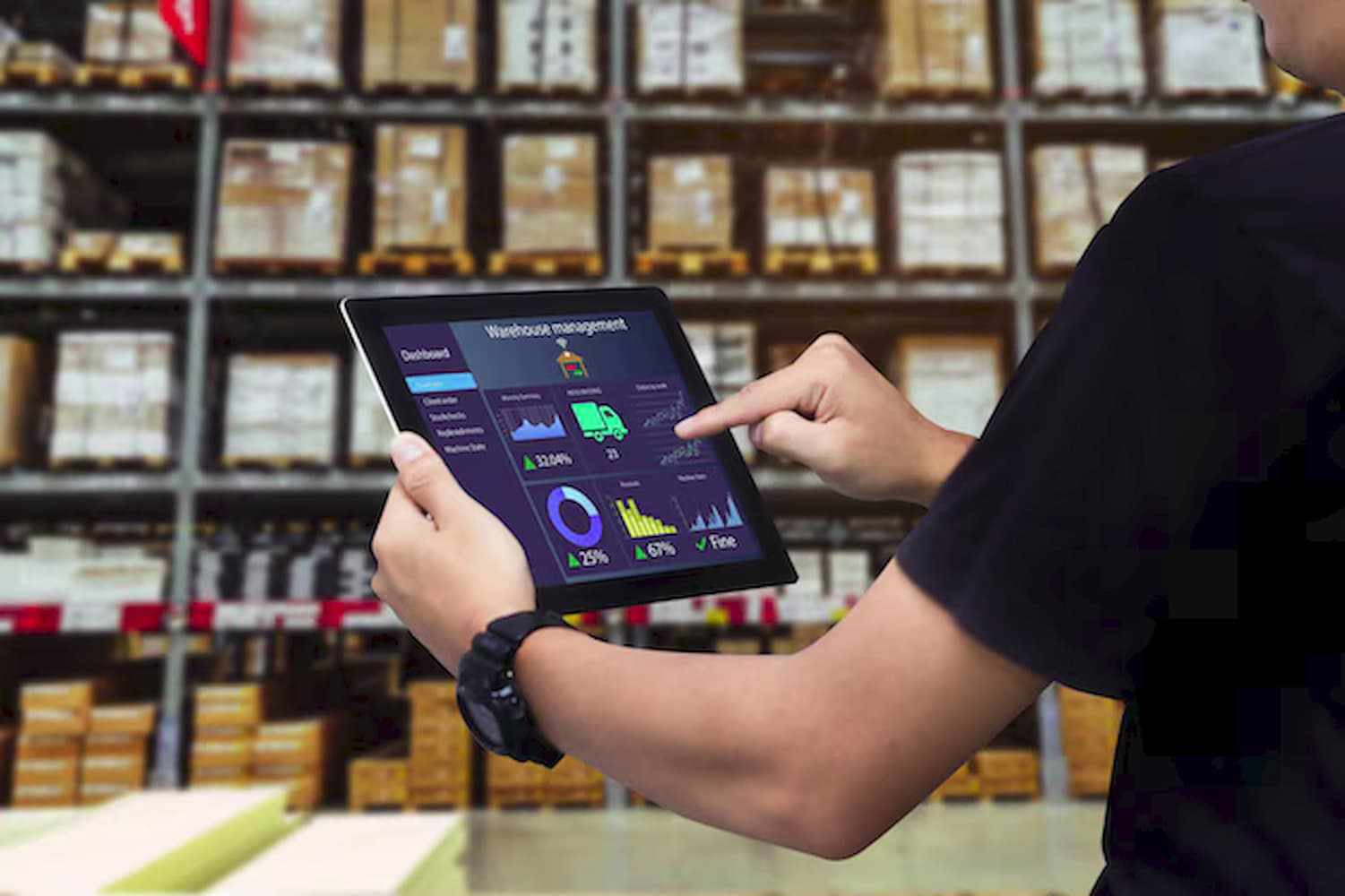
With real-time tracking, companies can monitor inventory levels, order statuses, and shipping progress. This visibility enables faster response to disruptions, minimizing delays and improving customer satisfaction.
Identifying Trends and Patterns
Data analytics tools within fulfillment software can identify patterns in order volumes, product movement, and seasonal demand. Recognizing these trends helps businesses plan better and align their resources accordingly.
Forecasting Demand
One of the most valuable aspects of data-driven decision-making is demand forecasting. By analyzing historical data, businesses can predict future needs more accurately. This ensures that stock levels are optimized, preventing both overstocking and stockouts.
Improving Efficiency Through Data Insights
Operational efficiency is at the heart of every successful warehouse. Using data-driven insights from fulfillment software can significantly enhance performance.
Streamlining Inventory Management
Inventory accuracy is critical for smooth fulfillment operations. Data analytics allows businesses to track which items sell fastest, which are frequently returned, and which remain stagnant. This information enables smarter restocking decisions and more efficient warehouse organization.
Optimizing Warehouse Layout
Data can also reveal inefficiencies in the physical layout of a warehouse. For instance, items that are frequently ordered together can be stored closer to one another to minimize picking time. By reorganizing based on data, businesses can improve workflow and reduce labor costs.
Automating Repetitive Processes
Automation powered by data ensures that repetitive tasks such as inventory updates, order processing, and report generation happen seamlessly. This reduces manual errors and frees up employees to focus on strategic activities.
Enhancing Customer Satisfaction Through Data
Customer satisfaction is directly tied to how efficiently and accurately a company fulfills orders. Warehouse fulfillment software helps businesses improve the customer experience by leveraging data insights.
Faster Order Processing
Data analysis allows businesses to pinpoint bottlenecks in the order processing cycle. By identifying these issues early, companies can reduce delays and ensure faster delivery times.
Accurate Order Fulfillment
Data-driven accuracy minimizes errors in picking and packing. When customers receive exactly what they ordered, in good condition and on time, their trust in the brand increases.
Personalized Customer Experiences
By analyzing customer data and purchase histories, businesses can tailor their fulfillment strategies to individual preferences. This level of personalization can include preferred delivery times or customized packaging, enhancing the overall experience.
The Role of Analytics and Reporting
Advanced analytics tools built into warehouse fulfillment software allow managers to gain a deep understanding of operations and make better decisions.
Real-Time Reporting
Reports generated in real time provide up-to-date information about warehouse performance. Managers can monitor key performance indicators (KPIs) such as order accuracy, delivery speed, and inventory turnover to identify areas that need improvement.
Performance Benchmarking
By comparing data across different time periods or warehouse locations, businesses can benchmark performance and set measurable goals. This continuous evaluation leads to steady improvement in efficiency and customer service.
Predictive and Prescriptive Analytics
Predictive analytics uses historical data to anticipate future outcomes, while prescriptive analytics recommends specific actions to achieve desired results. Both tools help organizations plan for future challenges and opportunities with greater confidence.
Data Security and Accuracy in Fulfillment
When using digital tools to manage sensitive data, security and accuracy are critical. Businesses must ensure that the data collected through warehouse fulfillment software is protected and reliable.
Ensuring Data Integrity
Accurate data is essential for effective decision-making. Regular audits, automated checks, and validation processes ensure that all information in the system remains consistent and trustworthy.
Protecting Sensitive Information
Modern fulfillment software includes advanced security measures such as encryption, authentication, and access controls to protect sensitive business and customer data from unauthorized access.
Maintaining Compliance
Many industries have strict regulations regarding data handling and storage. Compliance with these standards not only ensures legal protection but also enhances trust among customers and partners.
The Financial Impact of Data-Driven Fulfillment
Data-driven decisions do not just improve operations—they directly influence profitability.
Reducing Operational Costs
By identifying inefficiencies and automating manual tasks, fulfillment software helps reduce labor and operational costs. Data insights also allow businesses to manage inventory more effectively, preventing unnecessary expenses.
Increasing Productivity
Access to accurate data enables teams to work more efficiently. Employees spend less time searching for information or fixing errors and more time focusing on value-adding activities.
Driving Long-Term Growth
When data is used effectively, businesses gain a competitive advantage. Improved customer satisfaction, streamlined operations, and informed strategic planning all contribute to sustainable growth and stronger financial performance.
Leveraging Data for Continuous Improvement
Continuous improvement is a cornerstone of operational excellence. Data-driven insights from warehouse fulfillment software empower businesses to adapt and evolve over time.
Monitoring Key Metrics
Regular monitoring of KPIs such as order accuracy, fulfillment time, and return rates provides clear insights into performance. Businesses can use this data to fine-tune processes and achieve higher standards.
Implementing Feedback Loops
Collecting feedback from customers and employees helps identify weak points in the fulfillment process. Combining feedback with data analytics allows for targeted improvements that enhance efficiency and satisfaction.
Embracing Innovation
As technology advances, fulfillment systems continue to evolve. Businesses that actively adopt new features—such as AI-driven forecasting or IoT-based inventory tracking—remain ahead of competitors and maintain operational excellence.
The Future of Data-Driven Fulfillment
The future of warehouse management lies in intelligent, data-powered systems that go beyond traditional logistics functions.
Artificial Intelligence and Machine Learning
AI-driven analytics can identify patterns and predict outcomes with greater accuracy. Machine learning enables fulfillment software to continuously adapt to changes in demand and operational behavior.
Integration with the Internet of Things (IoT)
IoT sensors can provide real-time updates on product locations, temperature conditions, and equipment performance. When integrated with fulfillment systems, this data allows for more precise and efficient warehouse operations.
Cloud-Based Accessibility
Cloud-based platforms make data accessible from anywhere, enabling faster decision-making and collaboration across teams and locations. This accessibility enhances flexibility and scalability for growing businesses.
Conclusion
In an era where data drives every aspect of business success, warehouse fulfillment software stands as a vital tool for intelligent decision-making. By leveraging data analytics, automation, and real-time reporting, businesses can enhance efficiency, reduce costs, and improve customer satisfaction. Data-driven strategies enable organizations to move from reactive problem-solving to proactive planning, ensuring long-term growth and reliability. For companies seeking to achieve smarter, more informed warehouse operations, Avectous offers trusted, cutting-edge solutions designed to empower every aspect of fulfillment management.








Write a comment ...