
In today’s fast‑moving marketplace, third‑party logistics providers (3PLs) play a critical role in helping businesses scale, manage inventory, and fulfil orders efficiently. Selecting the right 3PL WMS software can make the difference between a logistics operation that thrives and one that struggles under rising volume, complexity, and customer expectations. This article explores what 3PL WMS software is, highlights the key features and selection criteria, examines pitfalls to avoid, and outlines how businesses can implement a system that supports growth and performance.
Understanding 3PL WMS Software
Definition and Role
3PL WMS software is a warehouse management system specifically tailored to the needs of third‑party logistics providers. It manages the warehousing operations that a 3PL offers to its clients, such as receiving, inventory management, picking, packing, shipping, returns, and often billing and client‑reporting. A strong 3PL WMS software acts as the operational backbone of the 3PL’s business, offering real‑time visibility, multi‑client functionality, and the flexibility to serve varied customer requirements.
Why It Matters for Fulfilment Providers
For a 3PL, delivering fast, accurate, and cost‑effective fulfilment is the value proposition to its clients. Without the right software, a 3PL risks high error rates, poor inventory visibility, under‑utilised capacity, and difficulty scaling. With the right 3PL WMS software, the provider can handle multiple clients, adapt to different order profiles, offer value‑added services, provide transparent reporting, and scale up operations efficiently.
Key Features to Look for in 3PL WMS Software
Multi‑Tenant and Multi‑Client Support
A true 3PL WMS software should support multiple clients (tenants) with separate inventories, pricing structures, service levels, and reporting.
Ability to segment inventory and order flows by client.
Customisable billing rules per client or per service.
Secure data isolation so one client’s data cannot be accessed by another.
Real‑Time Inventory Visibility
Reliable inventory visibility underpins accurate fulfilment and order fulfilment commitments.
Live tracking of stock levels across locations and clients.
Alerts for stock replenishment, dead stock, and mismatches.
Accurate location tracking (bins, zones, sub‑locations) to minimise delays.
Order Management and Fulfilment Workflows
The system should enable efficient receiving, picking, packing, shipping, and returns.
Supports batch picking, wave picking, zone picking strategies.
Integration with shipping carriers to select optimum routes and services.
Ability to handle returns and reverse logistics in an integrated way.
Integration Capabilities
A 3PL must connect with client systems, e‑commerce platforms, ERP systems, and shipping carriers.
APIs or middleware for easy data exchange.
Support for standard formats (EDI, XML, JSON).
Pre‑built connectors with common platforms like Shopify, Amazon, major ERP systems.
Analytics, Reporting and Client Portal
Visibility for both the 3PL operator and its clients drives value and transparency.
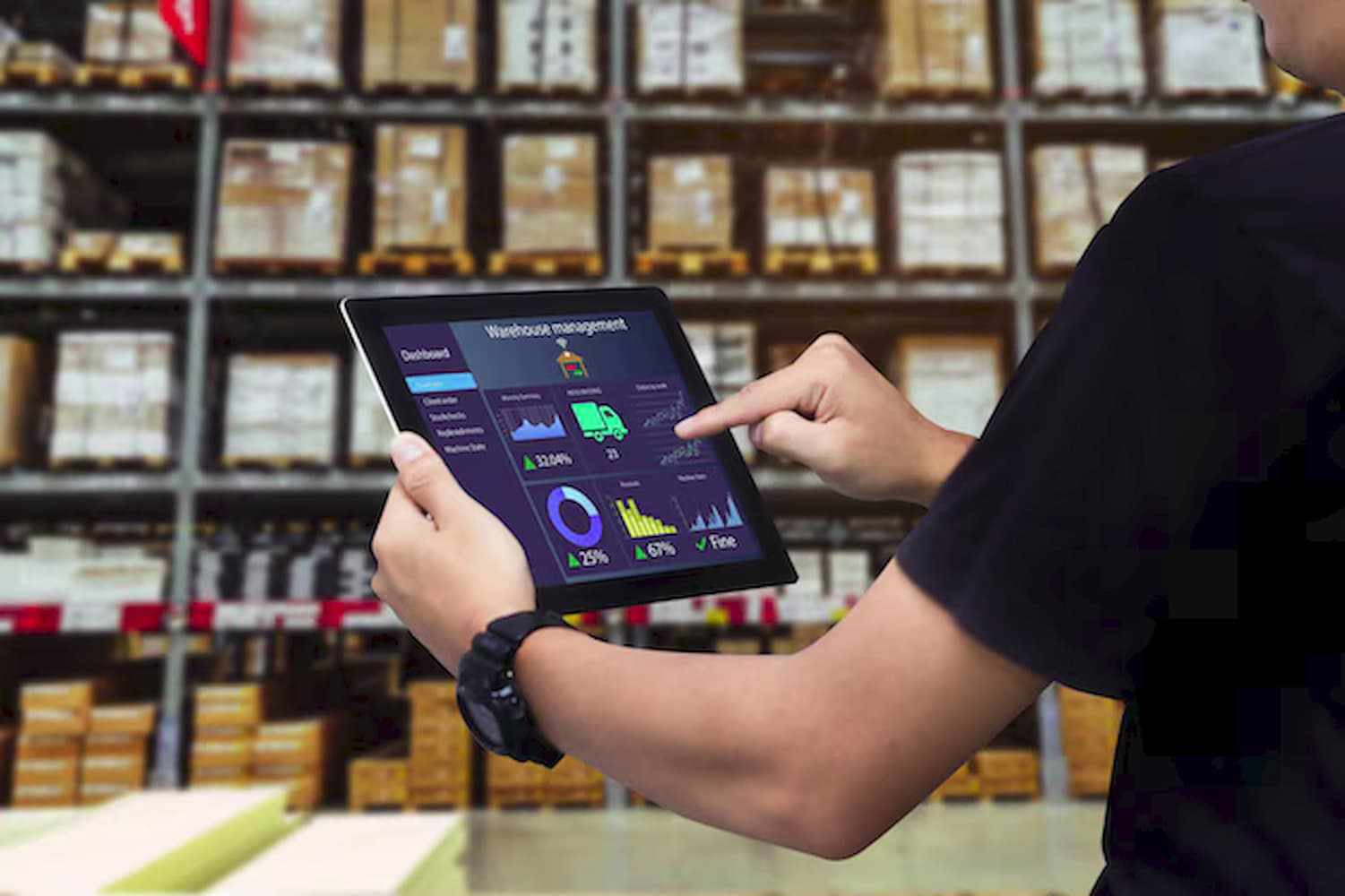
Dashboard views of key performance indicators like order accuracy, lead times, inventory turnover.
Self‑service portal for clients to check their inventory, orders, and performance metrics.
Customisable reports for billing, SLA compliance, and operational review.
Scalability and Flexibility
As volume grows or client demands change, the software must adapt.
Ability to add new warehouse locations or integrate new services without re‑engineering the system.
Configuration over custom coding allows faster adaptation.
Supports mobile or warehouse‑floor devices for picking and scanning.
Security and Compliance
With multiple clients and sensitive data, the software must ensure robust security and compliance.
Role‑based access and multi‑level security controls.
Audit trails for inventory movements, order changes, and client access.
Compliance with standards relevant to the industry (e.g., ISO, GDPR, supply‑chain security).
Criteria for Selecting the Right 3PL WMS Software
Evaluate Operational Fit
Before choosing any system, the 3PL must evaluate whether the software aligns with its business model.
Map current workflows (receiving, picking, returns) and identify gaps the system must fill.
Understand which clients require special services (kitting, same‑day dispatch, cross‑dock) and confirm the software supports these.
Evaluate whether the system can handle client volume, seasonal spikes, and growth.
Beyond initial license or subscription cost, the 3PL should consider hidden and ongoing costs.
Implementation costs including data migration and training.
Maintenance, support, and upgrade fees.
Hardware or mobile device costs if required.
Costs associated with downtime or process disruption during go‑live.
Vendor Support and Ecosystem
Support, roadmap, and ecosystem matter for long‑term success.
Vendor reputation for 3PL or multi‑client environments.
Access to third‑party add‑ons or partner integrations.
Ongoing product roadmap and commitment to updates and improvements.
Implementation and Change Management
Software is only as good as how well it is implemented and adopted.
Clear project plan with phased rollout, training, and staff buy‑in.
Data migration and cleanup strategy to ensure accurate starting point.
Continuous improvement process post‑implementation for measuring benefits and adjustments.
Common Pitfalls to Avoid
Selecting Software Designed Only for Retail or Single‑Client Warehouses
Some WMS offerings focus on single‑client operations and lack multi‑tenant features essential for a 3PL.
Underestimating Integration Complexity
Failing to fully assess the complexity of integrating client systems, sales channels, and carriers can lead to delays and additional cost.
Ignoring Adaptability for Growth
Choosing a system that works today but cannot scale or adapt to new services or higher volumes will limit growth.
Insufficient Training and Change Management
Even the best technology fails if users are poorly trained or resist change. Adequate training and support are essential.
Implementation Best Practices
Establish Clear Objectives and Metrics
Define what success looks like: order accuracy improvement, faster turnaround, inventory turns, or fewer returns.
Phased Rollout
Start with a pilot or one client to validate workflows, integrate systems and fine‑tune the process before scaling across all clients.
Data Cleansing and Migration
Ensure inventory data, product catalogues, client billing structures and workflows are accurate before go‑live to avoid errors.
Monitoring and Continuous Improvement
Post‑implementation tracking of KPIs and continuous refinement ensures that the 3PL WMS software delivers on its promise and adapts to evolving business needs.
Conclusion
Selecting the right 3PL WMS software is a strategic decision that can transform the operations of a third‑party logistics provider. With features like multi‑tenant support, real‑time inventory visibility, integrated fulfilment workflows, and robust analytics, the right system enables faster order fulfilment, higher accuracy, and the scalability needed for growth. Avoiding common pitfalls, assessing total cost of ownership, and following adoption best practices will ensure a successful implementation.
At Avectous, we recognise the critical importance of choosing software that matches fulfilment needs and supports operational excellence. We are dedicated to helping logistics providers make informed decisions and implement solutions that deliver long‑term value.







Write a comment ...