
As modern commerce continues to evolve, businesses increasingly rely on advanced digital solutions to manage their supply chain operations. One of the most important advancements in this space is the integration of warehouse fulfillment software with inventory tools. When these systems work together, organizations gain better visibility, improved accuracy, and greater operational efficiency. This integrated approach ensures that products move smoothly from warehouse shelves to customer doorsteps, supporting both business growth and customer satisfaction.
Understanding the Importance of Integration
Integrating warehouse fulfillment software with inventory tools allows different parts of the supply chain to communicate in real time. This connection ensures that inventory data is always accurate, helping businesses avoid issues such as stockouts, overstocking, and order delays.
The Growing Demand for Digital Synchronization
With the rise of multichannel selling, businesses must manage inventory across several platforms. Without a unified system, inventory numbers can quickly become inconsistent. Integrating digital tools creates a cohesive environment where each update is instantly reflected across all systems.
Reducing Manual Workloads
Manual data entry often leads to errors and inefficiencies. Integration eliminates the need for duplicate entries, allowing systems to automatically exchange data. This reduces manual work, increases accuracy, and frees team members to focus on more strategic tasks.
How Warehouse Fulfillment Software Works
Warehouse fulfillment software supports key activities such as picking, packing, shipping, and order tracking. It optimizes workflow within the warehouse and ensures that customers receive their orders on time.
Enhancing Order Processing
The software provides clear instructions for warehouse staff, guiding them through the most efficient routes for picking items. This helps reduce picking errors and accelerates fulfillment times.
Improving Workflow Visibility
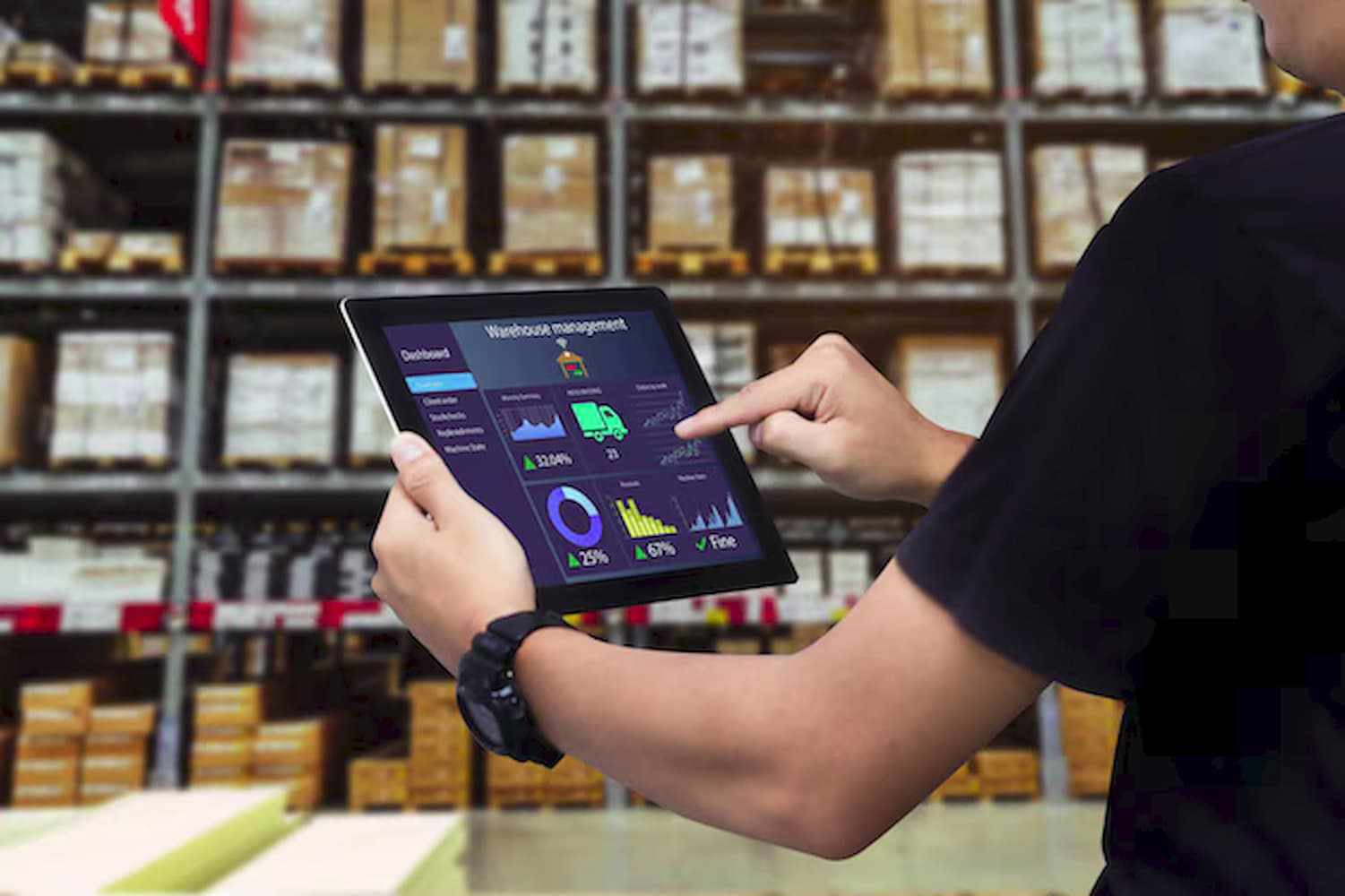
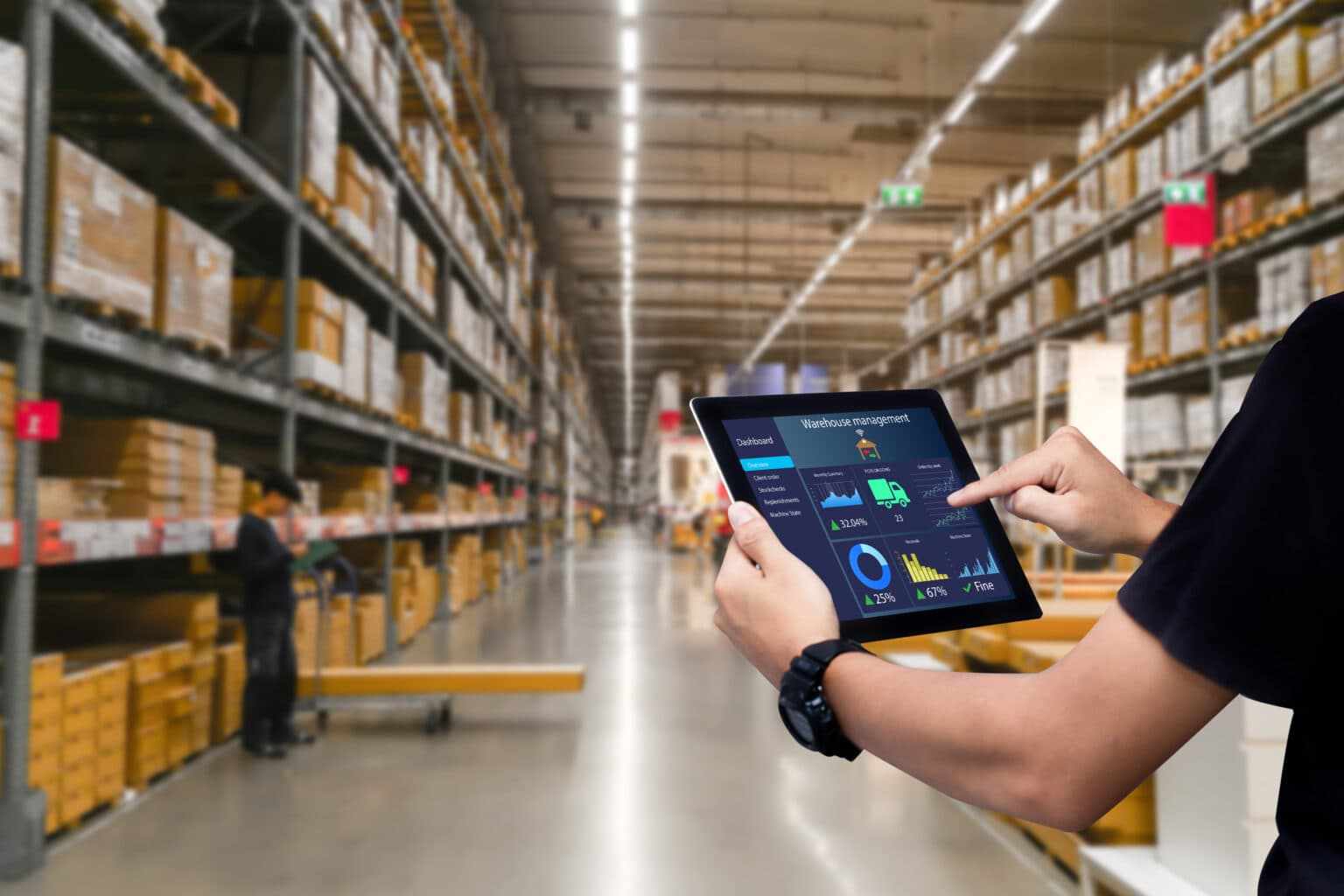
Dashboards and tracking tools within the software allow teams to monitor order progress. With real time updates, warehouse managers can identify bottlenecks, allocate resources effectively, and optimize throughput.
The Role of Inventory Tools
Inventory tools are designed to track stock levels across storage locations, update product quantities, and forecast demand. These tools serve as the backbone of supply chain accuracy.
Real Time Stock Monitoring
Inventory tools help businesses maintain up to date stock information. This is essential for avoiding stockouts and preventing overselling, especially in fast moving industries.
Demand Forecasting
Many inventory tools include predictive analytics that help businesses estimate future demand. Accurate forecasts support better purchasing decisions and more efficient warehouse planning.
Why Integration Matters
Integrating warehouse fulfillment software with inventory tools creates a seamless flow of information between systems. Without integration, businesses face challenges such as inaccurate inventory counts, delayed orders, and inefficient warehouse operations.
Preventing Data Silos
When systems operate independently, data becomes trapped within each platform. Integration breaks down these silos and ensures that all departments operate with the same accurate information.
Ensuring Accurate Fulfillment
Accurate inventory data leads to more precise picking and packing. When warehouse fulfillment software receives real time inventory updates, staff can trust that they are working with the correct information.
Key Benefits of Integration
Integration offers numerous advantages that improve overall supply chain performance. Businesses that connect warehouse fulfillment software with inventory tools often see significant improvements in accuracy, speed, and customer satisfaction.
Improved Inventory Accuracy
Real time data synchronization ensures that stock levels are updated immediately. This reduces the risk of selling items that are not available and minimizes confusion within warehouse teams.
Faster Fulfillment Times
When software systems communicate, fulfillment becomes more efficient. Orders can be processed more quickly because the system automatically recognizes available inventory, assigns tasks, and guides workers.
Reduced Operational Costs
Integrated systems reduce the need for manual data entry and minimize costly errors. The time saved allows teams to handle more orders without increasing labor costs.
How Integration Supports Multichannel Selling
Today many businesses sell across several platforms such as online marketplaces, social commerce channels, and retail stores. Integrating warehouse fulfillment software with inventory tools is essential for maintaining accurate stock across all channels.
Centralized Inventory Control
Integration provides a single source of truth for inventory. This ensures consistency across every sales channel and prevents overselling.
Automated Order Routing
When systems work together, orders can be automatically routed to the most suitable warehouse. This reduces shipping times and supports better customer service.
Steps for Successful Integration
Businesses need a thoughtful strategy when integrating warehouse fulfillment software with inventory tools. The process involves planning, testing, and continuous optimization.
Assessing Business Requirements
Before integrating systems, businesses should analyze their specific needs. This includes considering order volume, warehouse layout, product types, and fulfillment complexity.
Ensuring System Compatibility
Both the warehouse fulfillment software and the inventory tool must be compatible. Businesses should verify that the systems can communicate through APIs or built in connectors.
Testing Data Accuracy
During integration, businesses must ensure that data syncing works correctly. This involves testing stock updates, order transfers, and reporting features to confirm accuracy.
Overcoming Common Integration Challenges
While integration provides substantial benefits, businesses may encounter challenges if the process is not executed properly.
Inconsistent Data Formats
When software systems use different data formats, some information may not sync properly. Standardizing data fields before integration helps prevent errors.
Insufficient Team Training
Teams must understand how to use the integrated system. Without proper training, staff may struggle to navigate new workflows.
Limited Technical Support
Integration requires ongoing support. Businesses should ensure that their systems have reliable technical assistance to resolve issues quickly.
Enhancing Customer Experience Through Integration
Customers expect fast delivery, accurate order status updates, and seamless buying experiences. Integration plays a major role in meeting these expectations.
Providing Real Time Order Status
Integrated systems enable automatic updates on order progress. Customers receive accurate tracking information, improving transparency and satisfaction.
Reducing Shipping Delays
Accurate inventory data ensures that items are ready for picking and shipping as soon as an order arrives. This helps businesses deliver products on time, building trust with customers.
Future Trends in Warehouse and Inventory Integration
As technology continues to advance, integration is expected to become even more sophisticated. Businesses will rely on smarter tools to improve efficiency.
Artificial Intelligence and Automation
Future systems may use artificial intelligence to predict demand, optimize picking paths, and adjust inventory levels automatically. These advancements will further enhance operational efficiency.
Cloud Based Integration Solutions
More businesses are adopting cloud based systems because they offer flexibility, improved data security, and easier scalability. Cloud integration also enables real time updates across global networks.
Internet of Things in Warehousing
Sensors and connected devices can provide even more accurate inventory data. These tools help track product movement and improve warehouse visibility.
Building a Strong Digital Supply Chain
Integrating warehouse fulfillment software with inventory tools strengthens the digital foundation of a supply chain. It allows businesses to operate more efficiently and respond quickly to customer demands.
Enhancing Collaboration Across Departments
When systems share information, departments work better together. Sales, purchasing, warehouse teams, and customer service all benefit from aligned and accurate data.
Supporting Long Term Growth
As businesses grow, integrated systems help manage increased order volume without compromising accuracy or speed. This makes scaling easier and more efficient.
Conclusion
Integrating warehouse fulfillment software with inventory tools has become essential for modern businesses that aim to operate efficiently and deliver exceptional customer experiences. A seamless integration enhances accuracy, reduces errors, improves fulfillment speed, and strengthens multichannel operations. By building a connected digital ecosystem, organizations can support long term growth and streamline their supply chain operations. For businesses looking to implement effective integration strategies and advanced fulfillment solutions, Avectous is ready to provide trusted expertise and support.






Write a comment ...