In today’s fast-paced and competitive business environment, effective inventory management is critical for operational success and customer satisfaction. Companies are increasingly turning to inventory management solutions to streamline their operations, reduce costs, and improve efficiency. Among these, cloud-based solutions are emerging as a preferred choice due to their scalability, real-time visibility, and ability to integrate seamlessly with other business systems. Investing in cloud-based inventory management solutions allows organizations to enhance decision-making, optimize inventory levels, and remain agile in response to market demands.

Understanding Cloud-Based Inventory Management Solutions
Inventory management solutions are tools and software systems designed to track, manage, and optimize inventory throughout the supply chain. Cloud-based solutions offer these capabilities through a centralized platform accessible via the internet, eliminating the need for on-premise infrastructure.
Key Features of Cloud-Based Inventory Management
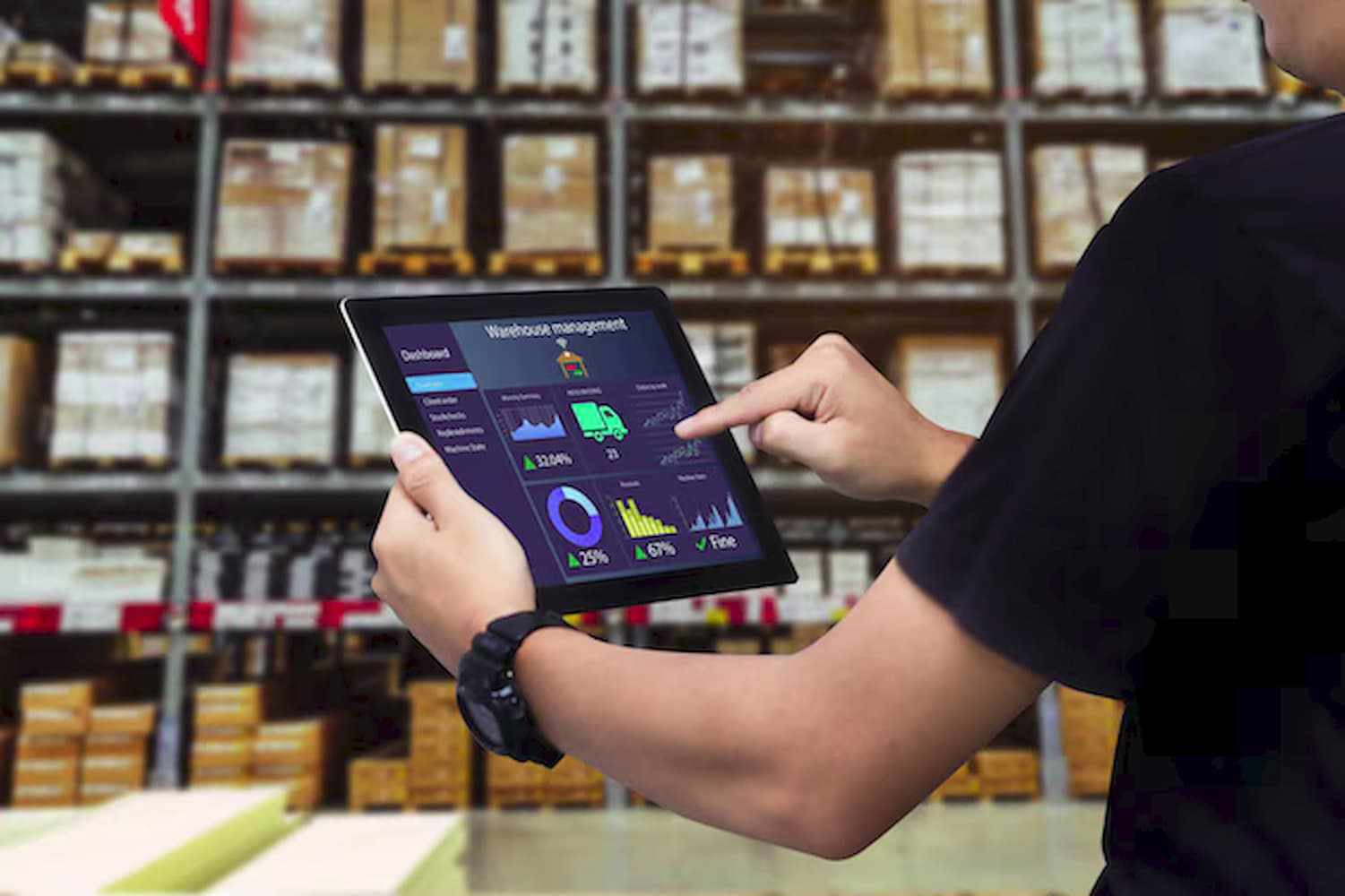
Modern cloud-based solutions typically include real-time inventory tracking, automated order processing, demand forecasting, and advanced reporting. They allow businesses to monitor stock levels, locations, and movements across multiple warehouses and retail locations from anywhere.
Advantages Over Traditional Systems
Unlike traditional on-premise software, cloud-based systems require minimal upfront investment, offer easy scalability, and allow for seamless updates and maintenance. These advantages make cloud-based solutions highly attractive for businesses of all sizes.
Why Businesses Are Investing in Cloud-Based Solutions
Companies are increasingly adopting cloud-based inventory management solutions to gain strategic advantages in supply chain operations.
Real-Time Inventory Visibility
Cloud-based solutions provide real-time data on stock levels, enabling businesses to respond quickly to changing customer demands. Managers can monitor inventory across multiple locations, reducing stockouts and overstock situations.
Automation and Efficiency
Automation features, such as reorder alerts, batch tracking, and order fulfillment workflows, reduce manual tasks, improve accuracy, and speed up operations. Automation helps minimize human error and frees up staff to focus on higher-value activities.
Cost Reduction
Cloud-based systems reduce the need for physical servers, software maintenance, and IT personnel. Companies can access a subscription-based model that aligns costs with usage, ensuring cost-effectiveness and predictable budgeting.
Scalability and Flexibility
Businesses can easily scale cloud-based solutions to accommodate growth, seasonal fluctuations, or expanding operations. This flexibility allows organizations to adapt quickly without investing in additional hardware or software.
Enhanced Collaboration Across Teams
Cloud-based platforms enable collaboration between different departments, suppliers, and stakeholders. Teams can access the same accurate, real-time data, improving coordination and decision-making.
Key Features Driving the Adoption of Cloud-Based Inventory Solutions
Several features make cloud-based inventory management solutions a preferred choice for modern businesses.
Centralized Inventory Tracking
Centralized platforms consolidate inventory data across all locations, providing a holistic view of stock levels, movement, and availability. This reduces redundancies and improves operational control.
Advanced Analytics and Reporting
Cloud solutions often include analytics tools that identify trends, forecast demand, and provide insights into inventory performance. These insights support better planning and data-driven decisions.
Integration with Other Systems
Cloud-based inventory management solutions integrate easily with enterprise resource planning, e-commerce, and warehouse management systems, creating a connected ecosystem for efficient operations.
Mobile Accessibility
Managers and warehouse staff can access cloud-based systems from smartphones, tablets, or laptops. Mobile accessibility ensures that inventory data is always available for on-the-go decision-making.
Security and Data Backup
Cloud providers implement robust security measures, including encryption, access control, and regular backups. Businesses can ensure data safety without investing heavily in on-premise security infrastructure.
Benefits of Cloud-Based Inventory Management Solutions
Investing in cloud-based inventory management solutions provides a range of tangible benefits for businesses.
Reduced Operational Costs
By optimizing inventory, automating processes, and reducing manual errors, companies can lower labor costs, reduce waste, and improve overall efficiency.
Improved Customer Satisfaction
Accurate inventory and timely order fulfillment ensure that customers receive the right products on time. This reliability strengthens customer loyalty and brand reputation.
Data-Driven Decision Making
Real-time insights and predictive analytics allow managers to make informed decisions regarding procurement, production, and distribution. This enhances overall supply chain performance.
Agility and Business Continuity
Cloud-based systems enable rapid adaptation to market changes, supply disruptions, and seasonal demand variations. Businesses remain agile and resilient in a dynamic environment.
Environmental Sustainability
Optimized inventory reduces overproduction and waste, supporting environmentally responsible practices. Cloud solutions also reduce the need for physical infrastructure, lowering energy consumption.
Challenges and Considerations in Cloud Adoption
While cloud-based inventory management solutions offer significant advantages, businesses must be aware of certain challenges.
Data Accuracy and Input
Reliable software requires accurate data entry. Errors or delays in updating information can reduce the effectiveness of inventory management.
Internet Dependency
Cloud-based systems rely on a stable internet connection. Connectivity issues can temporarily impact access to inventory data and operations.
Integration Complexity
Integrating cloud solutions with legacy systems may require technical expertise and careful planning to ensure seamless operations.
Security and Compliance
Although cloud providers implement strong security measures, businesses must ensure compliance with industry regulations and monitor access controls to protect sensitive data.
Best Practices for Implementing Cloud-Based Inventory Solutions
To maximize the benefits of cloud-based inventory management solutions, businesses should follow best practices during implementation.
Assess Business Needs
Identify key challenges, operational goals, and desired features. This ensures that the chosen solution addresses specific business requirements.
Choose a Scalable Platform
Select a solution that can grow with your business and adapt to changes in operations or market demand.
Train Staff Effectively
Proper training ensures that employees can utilize the software efficiently, minimizing errors and maximizing productivity.
Monitor Performance and KPIs
Track key metrics such as inventory turnover, order accuracy, and lead times to measure the effectiveness of the system and identify areas for improvement.
Plan for Data Migration and Integration
Ensure that existing inventory data is accurately migrated and integrated with other business systems for seamless operations.
Future Trends in Cloud-Based Inventory Management Solutions
The future of inventory management solutions is closely linked to technological innovation and evolving business needs.
AI and Machine Learning
Artificial intelligence will enhance demand forecasting, predictive replenishment, and process optimization, making inventory management more proactive and efficient.
Internet of Things Integration
IoT devices, such as smart shelves and RFID tags, will provide real-time monitoring of stock conditions and location, feeding data directly into cloud-based systems.
Automation and Robotics
Automated warehouse processes combined with cloud software will accelerate order fulfillment, reduce errors, and lower operational costs.
Sustainability and Green Supply Chains
Future solutions will focus on minimizing waste, optimizing transportation, and reducing energy consumption throughout the supply chain.
Conclusion
Investing in cloud-based inventory management solutions has become essential for businesses aiming to enhance efficiency, reduce costs, and improve supply chain operations. These solutions provide real-time visibility, automation, data-driven insights, and scalability, enabling companies to respond quickly to market demands while maintaining operational excellence. The integration of advanced technologies such as artificial intelligence, IoT, and mobile accessibility further strengthens the value of cloud-based inventory management. For organizations seeking expert guidance and innovative solutions to optimize inventory and streamline operations, Avectous offers reliable solutions designed to drive growth, efficiency, and long-term success.








Write a comment ...